Best Latest Twin Bunk Beds for Kids: 2024 Guide
When it comes to optimizing space in a child’s bedroom, twin bunk beds stand out as a practical and stylish solution. As we delve into the best latest twin bunk beds for kids in 2024, this guide will cover everything from the benefits of these versatile beds to how to choose the right one for your little ones. Whether you’re looking to maximize floor space in a shared bedroom or create a fun sleeping arrangement, bunk beds offer a range of options that cater to the needs of families today.
What are the Benefits of Twin Bunk Beds for Kids?
Space-Saving Solutions for Shared Bedrooms
One of the primary advantages of twin bunk beds is their space-saving design. In an era where maximizing space is essential, these beds offer a vertical sleeping arrangement that can significantly reduce the footprint of traditional beds. Families living in small homes or apartments often find that bunk beds can help them make the most of limited floor space. By elevating the sleeping area, the lower bunk can serve as a cozy nook for play or storage, making the most of every inch available in shared bedrooms.
Durability and Safety Features of Bunk Beds
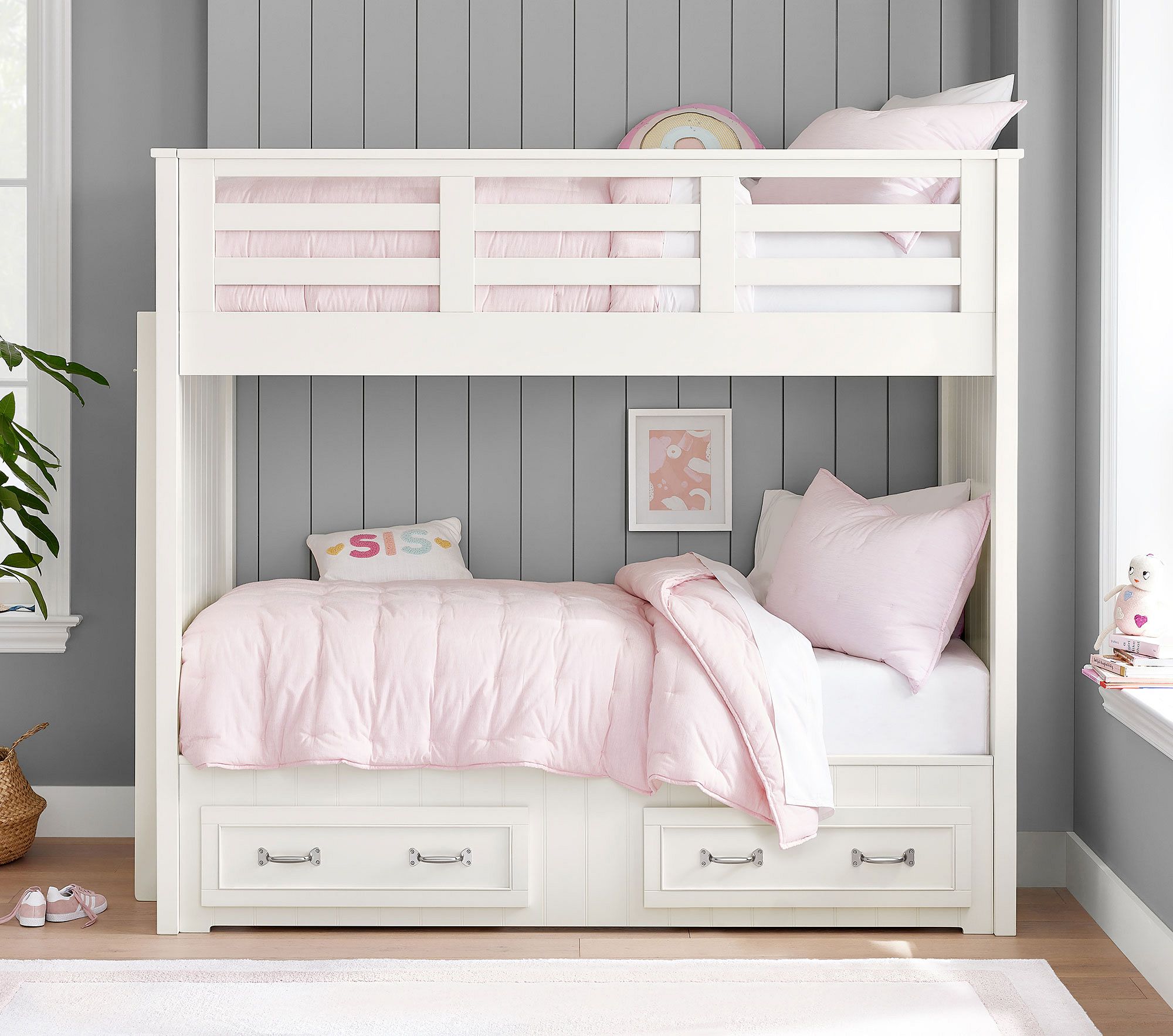
Durability is a crucial factor when selecting beds for kids, and bunk beds are no exception. Many modern twin bunk beds feature robust bed frames constructed from high-quality materials designed to withstand the energetic activities of children. Safety in a bunk bed is paramount, which is why many models are equipped with features such as guardrails and sturdy ladders, ensuring that kids can safely access the top bunk while providing peace of mind for parents. Moreover, bunk beds may be designed with reinforced joints and stable bases to enhance their longevity, making them a smart investment for families.
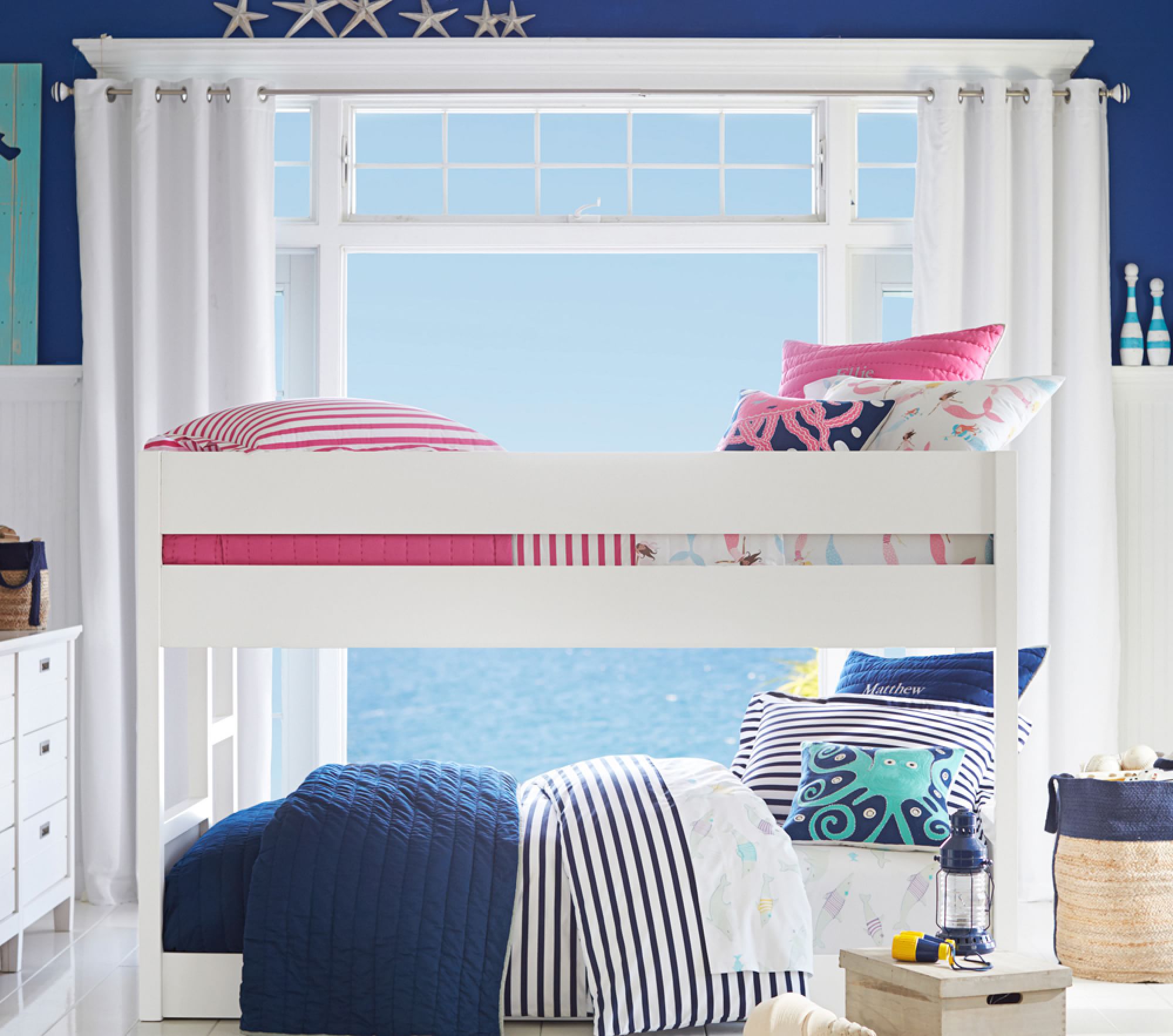
Popular Choices for Kids’ Sleeping Arrangements
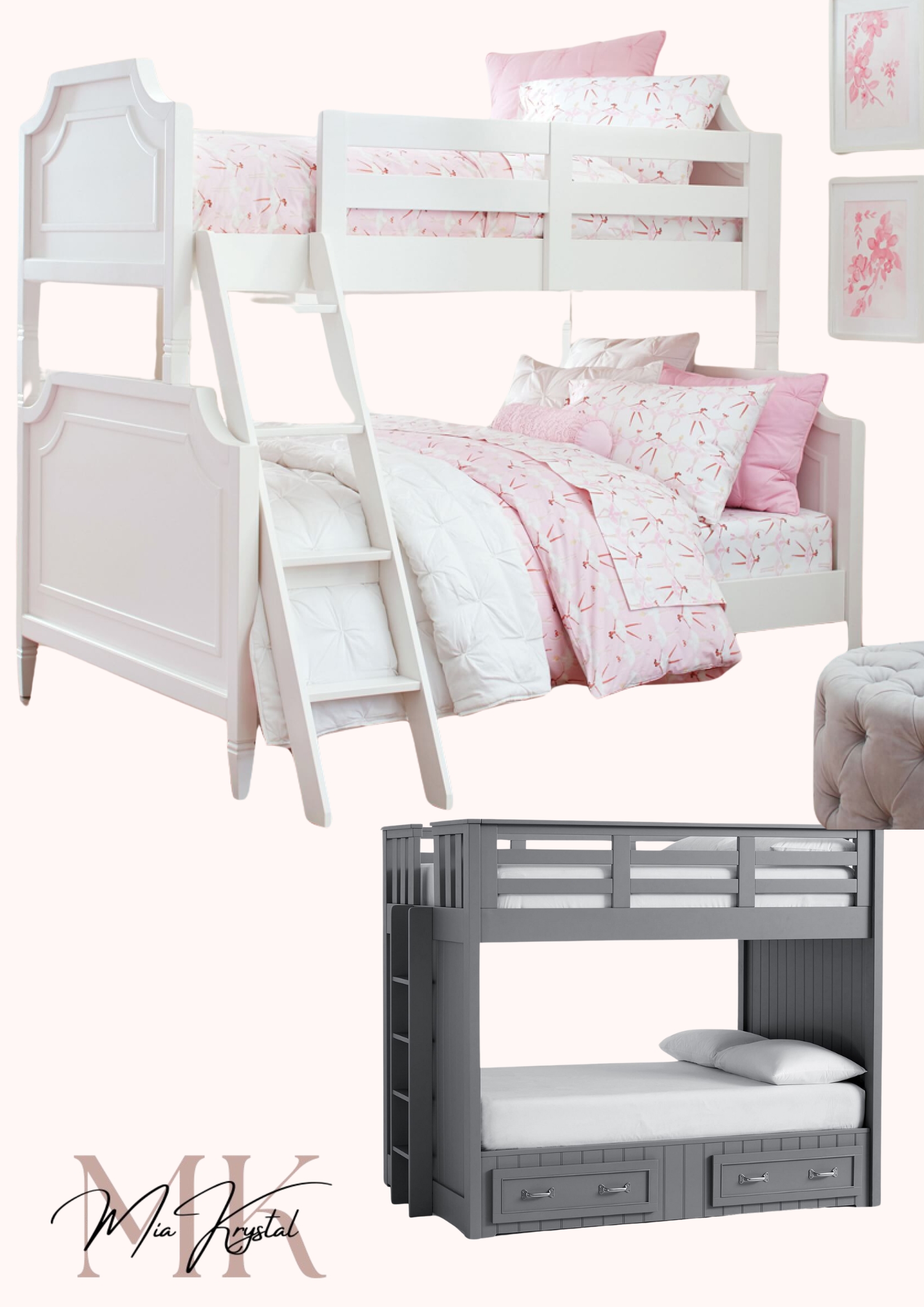
Bunk beds for kids come in various styles, making them a popular choice for parents looking to create fun and functional sleeping arrangements. From twin-over-twin bunk beds to twin-over-full bunk beds, options abound to suit different needs and preferences. Some designs even incorporate loft beds for kids, providing additional storage space or a study area beneath the top bunk. No matter the layout, these beds offer unique solutions that can adapt to your child’s changing needs as they grow.
How to Choose the Right Bunk Bed for Your Kids?
Factors to Consider When Selecting a Bunk Bed
When choosing a bunk bed, several factors should be taken into account. First, consider the size of the bedroom; the bed should fit comfortably without overcrowding the space. Additionally, think about the age of your children. While older kids may prefer a more stylish design, younger children may benefit from beds emphasizing safety features. Lastly, consider your desired functionality; some bunk beds have built-in storage drawers or desks, maximizing utility while maintaining a tidy bedroom.
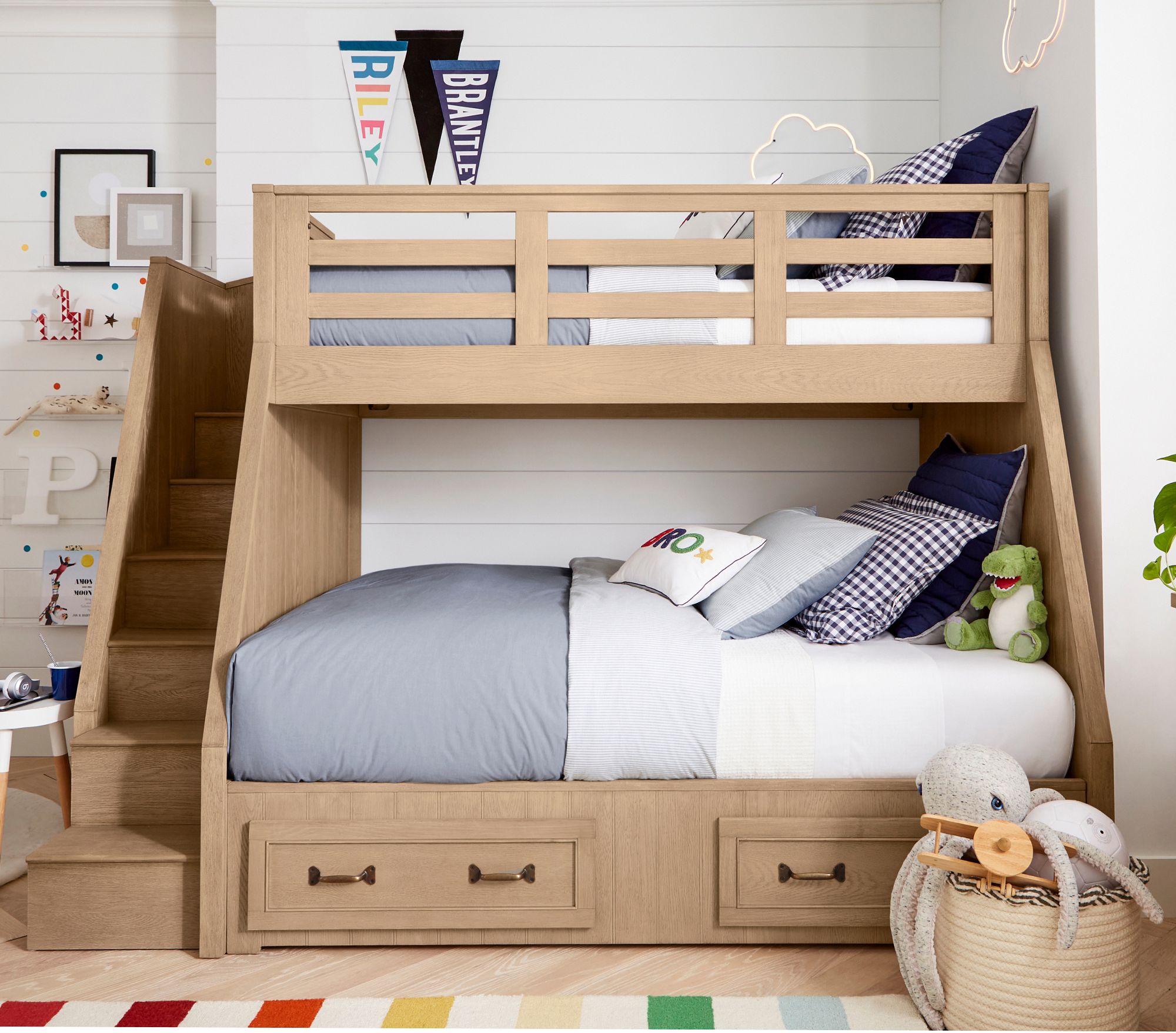
Choosing a Bunk Bed for Younger Children
For families with younger children, selecting the right bunk bed requires special attention to safety features. Look for beds with low heights, sturdy guardrails, and non-slip ladders. Additionally, it may be wise to opt for a twin loft bed rather than a full bunk bed, as these typically place the sleeping area lower to the ground, reducing the risk of falls. Ensuring that the bunk bed mattress is appropriate for younger children is also essential, as it should be firm yet comfortable to promote healthy sleep.
Understanding Different Types of Bunk Beds
Bunk beds come in various configurations, each offering distinct advantages. The most common types include twin-over-twin bunk beds, which are ideal for siblings sharing a room, and twin-over-full bunk beds, which provide more sleeping space for growing children. Additionally, loft beds for kids can be a unique choice, offering an elevated sleeping area with space underneath for a desk or play area. Understanding the differences between these options can help parents make informed decisions that best suit their family dynamics.
What Are the Best Materials for Bunk Beds?
High-Quality Materials for Durability
The materials used in constructing bunk beds are significant in their durability and safety. High-quality materials, such as solid wood or heavy-duty metal, are often the best choices for ensuring longevity. Wooden bunk beds provide a classic aesthetic and a sturdy frame, while metal bunk beds can be lighter and often come with modern designs. When investing in beds for kids, it’s advisable to choose models made from durable materials that can withstand the rigors of everyday use.
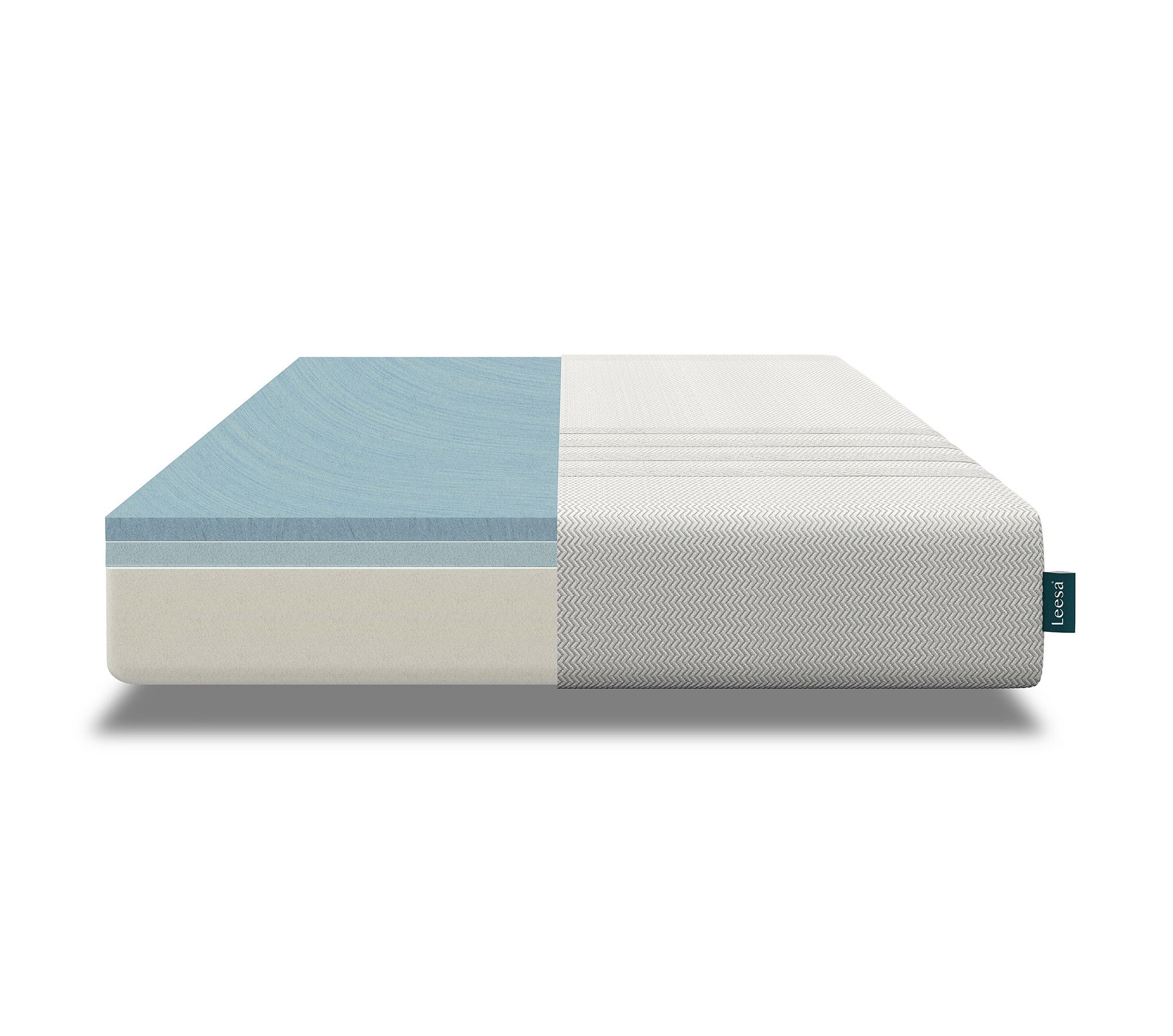
Wood vs. Metal Bunk Beds: Which is Better?
Choosing between wood and metal bunk beds ultimately depends on personal preference and specific needs. Wooden beds may offer a more traditional look and feel, while metal options often provide a contemporary aesthetic. Additionally, wooden bunk beds typically boast greater durability, while metal bunk beds can be lighter and easier to disassemble when moving. Both materials have their merits, and understanding the differences can help parents make an informed choice that complements their home décor and meets functional needs.
Maintenance Tips for Your Bunk Bed
Proper maintenance is essential to prolonging the life of your bunk bed. Regularly checking for loose screws or bolts can prevent accidents and ensure safety in a bunk bed. Cleaning the bed frame with a damp cloth and avoiding harsh chemicals will help maintain its appearance over time. Additionally, consider using mattress protectors for the bunk bed mattress to keep it clean and hygienic. Implementing these simple maintenance tips can enhance the durability and functionality of your investment.
How to Ensure Safety with Bunk Beds?
Bed Safety Features to Look For
Regarding bunk beds, safety features should be at the forefront of your consideration. Look for beds that come with guardrails on the top bunk, as these are critical for preventing falls during the night. Additionally, a sturdy ladder that is easy to climb is essential for ensuring that children can access the top bunk safely. Many modern bunk beds also offer built-in safety features such as rounded edges and non-slip surfaces, further reducing the risk of injury.
Tips for Preventing Accidents on Bunk Beds
Preventing accidents on bunk beds requires a proactive approach. Educate your children about the importance of safe usage, such as no jumping or playing on the beds. Establish ground rules, such as allowing only one child on the top bunk. Regularly inspect the bed for any wear and tear, addressing issues before they become safety hazards. By taking these preventive measures, parents can foster a safe environment for their children while using their bunk beds.
Using Bunk Beds in Shared Bedrooms Safely
In shared bedrooms, safety becomes even more crucial when using bunk beds. Ensure that the room’s layout allows for easy access to the ladder and that the bed is positioned away from windows to minimize risks. Consider using bunk beds with built-in storage drawers to reduce clutter on the floor, further mitigating potential hazards. By creating a well-organized and safe environment, parents can ensure that shared sleeping arrangements are both functional and secure for their children.
What Size Mattress is Best for Twin Bunk Beds?
Choosing the Right Bunk Bed Mattress
Selecting the right mattress for twin bunk beds is essential to ensure comfort and safety. The recommended mattress size for standard twin bunk beds is a twin mattress, which typically measures 38 inches by 75 inches. It is crucial to avoid oversized mattresses, as they can pose safety risks by exceeding the guardrail limits. Additionally, consider opting for a bunk bed mattress that is specifically designed for bunk beds, as these often feature lower profiles, making them a safer choice for elevated sleeping arrangements.
Understanding Twin and Full Mattress Options
While twin mattresses are the standard for twin bunk beds, some families may consider full mattresses for added sleeping space. A full bunk bed can accommodate a full mattress on the lower bunk while utilizing a twin on the top. This arrangement can benefit siblings sharing a room where one child may need more sleeping space. Understanding these options allows parents to decide based on their children’s needs and preferences.
Factors Affecting Mattress Selection for Bunk Beds
Several factors can influence your choice of mattress for bunk beds. First, consider your children’s age and size, as younger children may benefit from firmer mattresses that provide adequate support. Additionally, consider any mattress height restrictions imposed by the bunk bed design, as taller mattresses may not fit safely under the guardrails. Lastly, consider your child’s comfort preferences, whether they prefer memory foam, innerspring, or hybrid mattresses, as ensuring a good night’s sleep is paramount.